
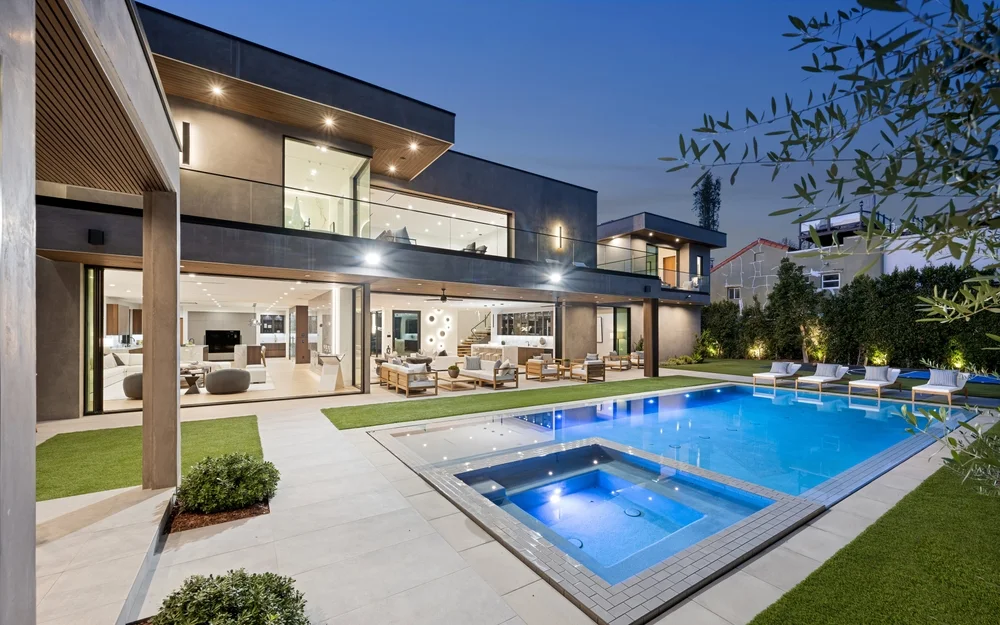
If you are staring at an old, slippery, or faded pool deck, it is pretty natural to start dreaming about something better. Then comes the big question: travertine vs porcelain pool deck, which one will actually feel good underfoot, look great with your pool, and hold up to East Bay weather. Both materials have strong points, and both can create a beautiful, durable surround. This guide walks through the tradeoffs so you can feel confident about the choice you make.
Travertine Vs Porcelain Pool Deck Basics
When homeowners weigh travertine vs porcelain pool deck options, they usually care about four main things: comfort, slip resistance, appearance, and overall cost. Travertine is a natural stone, formed over time with subtle color shifts and patterns that no two pieces share. Porcelain pavers are manufactured, which means more control over color, texture, and size.
In simple terms, travertine gives you a classic, resort-style look with natural variation, while porcelain offers a sleek, consistent finish that can mimic stone, wood, or concrete. Both can be laid over a prepared base as pavers, and both work well around water when installed correctly. The best choice depends on how you use your pool, what style you love, and how you feel about maintenance and budget.
Comfort Under Bare Feet
On a hot East Bay afternoon, comfort under bare feet matters a lot. One of the biggest reasons people lean toward travertine vs porcelain pool deck surfaces is that travertine usually stays cooler. Natural stone often absorbs less heat and can feel more comfortable when the sun has been beating down for hours.
Porcelain pavers can also work well around pools, but color and finish make a difference. Lighter shades reflect more sunlight and stay cooler than dark tones. Some porcelain products are made specifically for pool decks with textured, matte finishes that improve traction and manage heat better than older, glossy tiles. If you want to keep your options open, a contractor who works with both materials can help you pick a porcelain line that behaves well in real-world conditions, not only in a brochure.
Slip Resistance And Safety
Safety is non‑negotiable around water. Kids run, guests wander around with wet feet, and you want the surface to grip enough to avoid scary moments. In the travertine vs porcelain pool deck discussion, both can perform well if you pick the right finish and have them installed carefully.
Travertine usually has a naturally textured surface that offers solid traction, especially in tumbled or brushed finishes. That texture, combined with its ability to stay reasonably cool, is a big part of its resort reputation. Porcelain pavers can be manufactured with specific slip‑resistant ratings, often labeled as suitable for wet areas. The key is avoiding very smooth or glossy finishes near the waterline and instead selecting products designed for outdoor pool decks.
If you are unsure which direction to go, a company like Oscar Landscaping that installs both types of pool surrounds can walk you through real samples, not only photos, so you can feel the texture and imagine how it will behave when wet.
Style And Aesthetic Flexibility
From a design standpoint, travertine offers a timeless, natural look that many people associate with high‑end resorts. Each piece has unique veining, soft color movement, and a warmth that works beautifully with Mediterranean, traditional, and many modern homes. If you love that organic variation and want your pool area to feel earthy and relaxed, this material makes a strong case for itself.
Porcelain, on the other hand, is one of the best pavers for pool deck projects where you want more control over color and pattern. Manufacturers can create surfaces that mimic stone, wood, or concrete so convincingly that guests might not notice the difference at first glance. This is great if you want to match a very specific shade, echo interior floors, or create a sharp, modern look with crisp lines and consistent tone.
When you are stuck between travertine vs porcelain pool deck options, it helps to gather inspiration images and see which look you keep coming back to. Do your favorite photos show soft, natural variation, or do they lean toward smooth, consistent patterns and bolder geometry.
Durability And Wear Over Time
Both travertine and porcelain can deliver long‑lasting results, but they handle wear in different ways. Travertine is a natural stone, so its strength and density can vary slightly from piece to piece. With proper installation, sealing, and maintenance, it can perform extremely well for many years, but it may show small chips or patina in high‑traffic areas over time. Some people love that lived‑in character; others prefer a surface that looks almost the same year after year.
Porcelain pavers are dense and engineered to handle heavy use, pool chemicals, and freeze‑thaw cycles better than many older tile options. Their surface color is baked in, meaning fading is less of an issue, and they usually resist staining very well. If you like a crisp, low‑maintenance look, this consistency can be a real advantage.
Whichever material you pick, the base underneath matters as much as the paver itself. A properly prepared and compacted foundation, good drainage, and quality workmanship are essential for any pool deck that needs to hold up under chairs, traffic, and water.
Travertine Pool Deck Cost Basics
Budget naturally plays a big role in choosing a pool surround, and travertine pool deck cost can vary based on the grade of stone, thickness, finish, and pattern you choose. Premium, imported travertine in rare colors will sit at the higher end, while more common shades and straightforward layouts come in lower. Installation complexity also matters: curves, inlays, and intricate coping designs take more time and labor.
It helps to think of travertine as both a practical surface and a design feature. When you invest in this stone, you are paying for comfort, natural beauty, and the way it transforms the overall feel of the pool area. If that “resort in my backyard” mood is high on your list, allocating a larger portion of your budget to travertine can make sense, even if it means simplifying other parts of the project.
Porcelain Paver Cost And Value
Porcelain pricing runs across a wide spectrum as well. Some lines are very budget‑friendly, while others rival or exceed natural stone in cost due to advanced manufacturing, large formats, or premium designs. When you compare porcelain to travertine, you have to look past the price per square foot and consider the whole picture: longevity, maintenance, style flexibility, and how it ties into the rest of your home.
One advantage of porcelain is that it can deliver the look of high‑end materials while sometimes keeping material costs more predictable. It also tends to require less ongoing care than stone, especially when it comes to staining and sealing. That can make porcelain feel like a strong value for families who use their pool hard and want to spend more time enjoying it than maintaining it.
Matching Your Deck To Your Home And Lifestyle
Choosing between travertine vs porcelain pool deck materials is not only about specs, it is about how you live. If you host a lot, love barefoot evenings outside, and want a warm, timeless feel, travertine often fits right in. If your style leans modern, you have kids constantly in and out of the water, or you want a surface that shrugs off sunscreen spills and pool toys, porcelain can be a fantastic match.
Think about the rest of your property too. Do you already have paver patios, retaining walls, or walkways. Are there colors in your home’s siding, roof, or trim that you want to echo around the pool. A thoughtful design can blend the new deck with existing hardscape so the entire yard feels like one connected environment.
How Oscar Landscaping Brings Your Pool Deck To Life
At Oscar Landscaping, we start each project by walking the property with you, listening to how you actually want to use the space, and then shaping a design that fits you. Our main website at Oscar Landscaping and our detailed about us page share more about our experience designing and building pool decks, patios, walkways, retaining walls, and full outdoor spaces across the East Bay. The work you see in our project gallery shows how these ideas look once they are in the ground instead of on a sketchpad.
FAQs
Is travertine or porcelain better for a hot East Bay pool deck?
Travertine usually stays cooler under direct sun, which is one reason many people love it around pools. Porcelain can also work very well if you choose lighter colors and finishes designed for outdoor use, so comfort really comes down to product selection and how your yard receives sun.
Which offers better slip resistance around the pool, travertine or porcelain?
Both can provide good traction when you pick the right finish. Tumbled or brushed travertine has natural grip, while quality porcelain pavers are manufactured with specific slip‑resistance ratings for wet areas. The key is avoiding smooth or glossy surfaces next to the water.
How does travertine pool deck cost compare to porcelain?
Travertine can sit higher or lower than porcelain depending on the grade of stone and the porcelain line you are considering. Premium options in either category cost more, especially in large formats or complex patterns. A detailed quote from a contractor who installs both is the best way to compare true project costs.
Are porcelain pavers durable enough for long‑term pool use?
Yes, modern porcelain pavers are dense, strong, and engineered for outdoor conditions. They resist staining, fading, and pool chemicals very well when installed over a proper base. Many homeowners like that porcelain looks nearly the same year after year with minimal upkeep.
Does travertine require more maintenance than porcelain?
Travertine usually needs periodic sealing and a bit more care with harsh chemicals or cleaners, while porcelain often needs less frequent attention. In return, travertine offers natural variation and a warm, classic look that many people feel is worth the extra care.
How do I decide which material is best for my own pool deck?
Start by thinking about how you use the space, how much maintenance you are comfortable with, and what style feels right for your home. Then meet with a contractor who can show you travertine and porcelain samples side by side, explain costs clearly, and help you picture how each option will perform in your specific backyard.
Time To Upgrade Your Pool Surround
If your current pool deck feels tired, slippery, or too hot, you do not have to keep putting up with it. You have strong options in both travertine and porcelain, and the right design can completely change how you use your backyard.
Reach out to Oscar Landscaping at (925) 396-7871 or contact us through the form on our website, and we will help you weigh travertine vs porcelain pool deck choices and map out a plan that fits your home and your budget.